The first time I realized a patient’s “just cosmetic” spider veins were a bigger deal, she came in after a double shift on her feet. A bright red web behind her knee burned and itched, and a heavier blue line along her calf throbbed every evening. She had tried retinoid creams, turmeric oil, even an herbal roller. Nothing made a dent. A quick exam and a handheld Doppler told the story: not just surface veins, but early venous reflux feeding them from deeper lines. A month later, after a targeted plan with a vascular specialist, her pain eased and the red web faded. The difference was not a magic cream, it was choosing the right doctor at the right moment.
Spider veins in plain terms
Spider veins, or telangiectasias, are small surface blood vessels that widen and show as red, purple, or blue lines. They sit in the skin’s top layers, unlike varicose veins which bulge and twist. On legs, they often cluster near the outer thigh, behind the knee, and around the ankles. On faces, they favor the nose and cheeks. They are common in women and men, and in both young adults and older adults. Hormones, genetics, pregnancy, and jobs with long hours standing can all add up.
Are spider veins dangerous? Most are not, but they can signal deeper venous problems. If they itch, ache at day’s end, or sit over ankle swelling or skin discoloration, a vascular evaluation is smart. Surface treatment alone can be a short fix if deeper valves leak.
When your spider veins need a vascular doctor, not a cream
A vascular surgeon or vein specialist looks beyond the surface. You do not need a referral in many clinics, and the first visit often includes a focused exam and an ultrasound order if there are symptoms. Consider booking with a vascular doctor if any of the following fit your experience:
- You have aching, heaviness, cramping, or itching along with the visible veins, especially after standing. The veins are spreading quickly, or you see ankle swelling, skin darkening, or eczema near the ankles. A previous treatment worked only briefly, or the veins returned in a few months. There is a tender cord, new redness, or warmth along a vein, which could signal a clot near the surface. You are pregnant or recently postpartum and the veins are painful or bleeding.
This list covers the patterns I see most. Even if your goal is cosmetic, it is worth ruling out reflux in the feeder veins before you pay for surface treatment.
Who treats spider veins, and why it matters
Titles can be confusing, and savvy patients ask who will hold the needle or laser. Here is how the roles usually break down.
A vascular surgeon handles the full spectrum of venous disease, from cosmetic spider veins to varicose veins with deep reflux, and can perform minimally invasive ablation of leaky trunks if needed. Many have vein clinics that offer sclerotherapy for spider veins and ultrasound guided foam for reticular feeders.
A phlebologist is a physician with focused training in vein disease. Many come from surgery, radiology, or dermatology. The skill set varies by practitioner, so ask about case volumes and whether they perform both diagnostic ultrasound and treatment.
Dermatologists often excel at facial spider vein treatment and broken capillaries treatment using vascular lasers or intense pulsed light. Some also perform leg sclerotherapy. For legs with symptoms, a dermatologist may refer to a vascular clinic if reflux is suspected.
Medical spas can offer laser vein therapy, but they rarely evaluate venous reflux and may not manage complications. If you choose a med spa for cosmetic vein removal treatment, confirm physician oversight, training, and whether they will refer you if ultrasound finds deeper issues.
Bottom line, pick someone who can both diagnose the cause and treat it. If a clinic never orders ultrasound or cannot explain how they handle feeder veins, keep looking.
How a vascular evaluation works
A good first visit runs like this. You review symptoms, family history, pregnancies, jobs with long standing or heavy lifting, exercise, and past vein procedures. The exam looks at the pattern: starburst on the thigh, ankle flare, or linear lines along a reticular vein. If there are symptoms or high risk features, the next step is duplex ultrasound.
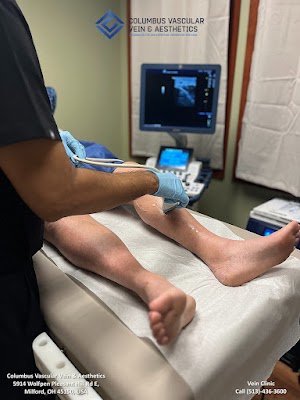
Duplex ultrasound maps vein flow and valves. It checks the great and small saphenous veins and perforators that connect deep to superficial veins. With a careful scan in standing position, the sonographer measures reflux time, usually abnormal if it exceeds 0.5 seconds in superficial veins. If there is no reflux, surface-only spider vein removal is likely enough. If reflux feeds the spider clusters, the plan may start with ablation of the leaky trunk, then sclerotherapy for the web.
This sequence matters. Treat the feeder first, and you cut the fuel to the surface web. Skip that step, and veins often come back.
Choosing the right treatment for spider veins
Once the mapping is clear, you pick a technique based on size, color, depth, and site.
Sclerotherapy for spider veins is the workhorse for legs. A tiny needle places a sclerosant, typically polidocanol or sodium tetradecyl sulfate, into the vein. The inner lining collapses, the vein seals, and the body clears it over weeks. Micro sclerotherapy uses very fine needles for small veins. Ultrasound guided foam sclerotherapy targets reticular feeders that sit deeper and feed surface webs.
Laser treatment for spider veins works best on very small red vessels and on faces where needles can bruise. Vascular lasers such as 532 nm KTP, 595 nm pulsed dye, or 1064 nm Nd:YAG heat the hemoglobin, sealing the vessel. On legs, Nd:YAG can help with fine red lines that are too small for a needle, although it usually is less efficient than injections for blue and purple leg veins.
Some clinics use intense pulsed light for facial vessels. It can help diffuse redness, but discrete lines often respond better to a true vascular laser.
Radiofrequency microneedling has a small role for rosacea related redness but is not a primary tool for leg spider veins.
If you have underlying reflux in a saphenous vein, endovenous ablation with radiofrequency or laser treats the source. This is not for spider veins themselves, but it prevents new ones fueled by the leaky trunk.
For quick comparison at a glance:
- Sclerotherapy vs laser vein treatment: injections reach blue and purple leg veins more effectively, lasers excel on tiny red facial lines. Pain and sensation: sclerotherapy feels like brief pinpricks, lasers feel like hot snaps; topical numbing helps for laser on the face. Sessions: sclerotherapy for legs often needs 1 to 3 sessions per region, lasers for facial spider vein treatment may need 1 to 2. Side effects: sclerotherapy can cause temporary brown staining or matting, lasers can cause transient redness or swelling; burns and ulcers are rare with both when done by experienced hands. Cost: sclerotherapy cost per session commonly ranges from about 250 to 600 dollars in the U.S., laser sessions for small facial areas often range from 200 to 500 dollars.
There is no single best spider vein treatment for every case. The best treatment for spider veins on legs is usually sclerotherapy, often paired with treating any reticular feeders. For tiny facial vessels, a vascular laser tends to win. For stubborn clusters near the ankle fed by perforators, ultrasound guidance and a staged plan matter more than the device.
What treatment feels like, how many sessions, and how long results last
Patients are often surprised by how quick these visits run. A typical micro sclerotherapy session takes 20 to 40 minutes. Laser sessions for small facial areas run 10 to 20 minutes. Most people return to work the same day.
How many sessions for spider vein removal depends on the extent and the number of regions treated. A quarter sized patch may clear in one session. A ladder of veins up the outer thigh could take two or three. Sessions are usually spaced 4 to 6 weeks apart to let inflammation settle and to judge what remains worth treating.
How fast do spider veins disappear after treatment? Faint red lines can fade within 2 to 4 weeks. Blue and purple veins may look worse before they look better, then fade over 4 to 12 weeks as the body resorbs them. Expect full results at around 3 months.
Is spider vein removal permanent? The treated vein is gone, but the tendency to form new veins remains. That is why people say spider veins coming back after treatment. They are not the same veins, they are new ones, often prompted by hormones, heat, or jobs that load the venous system. The more completely you address feeder veins and lifestyle factors, the longer the clear period lasts.
How long do results last for spider vein treatment? Many patients enjoy a clear result for years if reflux is absent or treated. Others with strong genetic or hormonal drivers may want a maintenance session every year or two.
Safety, side effects, and how to lower risk
Is sclerotherapy safe? In experienced hands, yes. The most common side effects are minor: small welts or hives that resolve within a day, bruising, or transient itching. Brown staining, from iron deposition, can occur along treated veins, especially on the lower legs. It fades in most cases over months, but in a small percentage it can persist. Matting, a blush of new fine vessels near the treated site, occurs in about 5 to 15 percent of cases and often settles with time or touch up treatments.
Serious complications are rare but deserve attention. Ulceration from sclerosant outside a vessel is uncommon and avoidable with careful technique. Allergic reactions are very rare. Deep vein thrombosis after cosmetic sclerotherapy is exceedingly rare in healthy ambulatory patients, but the risk rises with major travel, immobility, or clotting disorders. Your specialist should screen for risk and time treatment around travel.
Laser vein treatment side effects include redness, swelling, and temporary darkening of the vessel track. Blistering or burns are rare when settings and skin type are matched. On tanned or darker skin, some lasers carry a higher risk of pigment change, so device choice and settings matter.
What to expect after sclerotherapy: compression stockings for 2 to 7 days, brisk walking the same day, and no heavy leg workouts for 48 hours. Avoid hot tubs and saunas for a few days. On laser days, you skip compression but protect the skin from sun and heat.
Costs, insurance, and making a plan you can afford
Cost of spider vein treatment spans a range based on region, provider, and how many areas require attention. For legs, sclerotherapy price per session often sits between 250 and 600 dollars, sometimes higher if ultrasound guided foam is added. Spider vein laser cost for small facial areas commonly runs 200 to 500 dollars per session. Treating both legs comprehensively can take two to four sessions in a larger practice, so plan for a total investment that can sit between 600 and 2,000 dollars or more.
Does insurance cover spider vein treatment? If the goal is cosmetic and there are no functional symptoms, coverage is unlikely. If there is documented venous insufficiency with pain, edema, or skin changes, insurers often cover treatment of the refluxing veins, not the surface spider veins. That said, some clinics bundle care, and addressing the source can reduce the surface work you pay for out of pocket.
Look for financing spider vein treatment options if needed. Many vein centers offer zero interest plans over 6 to 12 months. Beware of cheap spider vein treatment options that skip ultrasound and promise one session for all, since incomplete plans often lead to repeat spend.
Is spider vein treatment worth it? Patients who arrive with pain, itching, or embarrassment about wearing shorts usually say yes. The key is aligning expectations with reality: a staged plan, likely two or more visits, early avoidance of sun or heat, and thoughtful maintenance.
Do at home steps help, or should you skip them?
How to treat spider veins at home is a common question. Honest answer: lifestyle helps comfort and slows progression, but it does not remove established veins. Compression stockings, 15 to 20 mmHg for daily wear, reduce heaviness and aching on long days and after flights. Elevation for 15 minutes in the evening helps swelling. A daily walking habit, calf raises, and avoiding prolonged sitting or standing in one position support the calf muscle pump.
Do creams work for spider veins? No topical has been shown to erase spider veins. Some creams improve skin tone and reduce inflammation on the surface, which can make veins less noticeable under certain light. They do not close vessels. Natural remedies vs medical treatment for spider veins is not a fair fight. Use home steps for prevention and recovery, not removal.
Can exercise reduce spider veins? Regular low impact exercise helps prevent pooling, so it can slow the appearance of new veins. It does not erase existing ones.
How to prevent spider veins: maintain a healthy weight, wear compression for long flights or shifts, vary positions at work, protect legs from sun after treatment, and treat reflux when present.
Milford spider vein removalSpecial scenarios: pregnancy, hormones, men, and young adults
Spider vein treatment after pregnancy is common. Estrogen, progesterone, and the mechanical load of pregnancy drive new veins. Most specialists wait until after breastfeeding to treat, since hormone levels settle and many veins shrink on their own within 3 to 6 months postpartum. If painful veins persist, targeted sclerotherapy is reasonable. Compression during pregnancy helps symptoms and may limit progression.
Hormonal spider veins treatment overlaps with this advice. Flare ups tied to contraceptives or hormone therapy may slow if you switch methods, but do not stop medication without discussing alternatives. Treat the visible veins when hormones are stable for a few months.
Spider vein treatment for men follows the same principles. Men often present later, with more underlying reflux and reticular feeders. Ultrasound guidance and a staged plan are especially helpful.
Spider veins in young adults are not unusual, especially in athletes with intense training or family history. Early treatment is fine if the veins bother you, and ultrasound is still useful if there are symptoms. Prevention habits set now pay dividends later.
Why spider veins return after treatment, and what to do about it
Even with excellent technique, new veins can form. The veins that get treated are gone, but the pressure dynamics and genetic wiring remain. Common reasons for recurrence include untreated feeder veins, ongoing reflux that was missed or developed later, heat exposure, and hormonal shifts.
What doctors do not always tell you about spider vein removal: a maintenance mindset helps. If you tend to form new webs, plan a brief touch up session every year or two. Wear 15 to 20 mmHg compression for long flights or road trips. Keep calves strong, since they act as a second heart for your legs. Protect treated areas from sun for at least a month to cut the risk of brown staining.
Timing, travel, and work realities
Best time of year for spider vein treatment is often fall or winter. You are more likely to wear compression and avoid sun, and swelling post treatment is easier to manage in cooler weather. That said, life schedules rule. I treat year round with extra counseling in summer.
Can flying affect spider veins? Air travel soon after sclerotherapy can raise clot risk and swelling. I advise patients to avoid long flights for 1 to 2 weeks after larger sessions, and to wear compression and walk the aisle if travel is unavoidable.
Can standing jobs cause spider veins? Standing alone is not destiny, but it tips the scale. Use an anti fatigue mat, vary your stance, take micro breaks to heel raise, and wear compression on busy shifts.
What to expect on the day, and the days after
On treatment day, eat normally and hydrate. Skip lotions on the legs, since alcohol swabs need clean skin. A photo set documents your baseline. During sclerotherapy, you feel brief pinpricks. The sclerosant may cause a transient cramp in a bigger feeder vein, which passes in seconds. Afterward, cotton and tape cover injection sites, and compression stockings go on. You walk out and keep moving that day. Most people return to the gym after 48 hours, avoiding heavy leg days for a few more.
After laser, the skin may flush and swell for a day. A cooling gel soothes it. Avoid hot yoga, steam rooms, and strong sun for about a week. On the face, makeup can usually go on the next day.
Spider vein treatment before and after photos can help you see progress over weeks when you might forget where you started. Ask your clinic how they track results.
How to choose a clinic you can trust
Experience matters more than brand names. Ask how many leg sclerotherapy cases the provider treats each week. Confirm that a duplex ultrasound is available if you have symptoms. Ask which sclerosants they use, what concentration, and how they decide between liquid and foam. For lasers, ask which wavelengths they use for facial versus leg veins and how they adjust for different skin tones.
Beware of promises that a single session will erase years of veins, or that one device is the only answer. Good clinicians talk in ranges: one to three sessions for this area, maybe a second pass if matting occurs, a follow up at 8 to 12 weeks.
Look for policies that support you: compression stockings included, clear pricing per session or per region, and a plan for touch ups. If you need financing, ask up front. The best clinic for spider vein treatment is transparent, measured, and thorough.
A quick case to tie it together
A 46 year old nurse with two pregnancies and a standing job had painful spider veins along the lateral thigh and ankle flare, itching at night. Duplex ultrasound showed segmental reflux in the great saphenous vein and a reticular feeder behind the knee. We performed endovenous ablation of the refluxing segment first, used ultrasound guided foam for the feeder, then micro sclerotherapy for the surface webs over two visits. She wore 20 to 30 mmHg compression for one week after each. At 12 weeks, the burning and itching were gone, the ankle flare was 90 percent improved, and a small patch on the thigh needed one extra round. Two years later, she came back for a small touch up after a summer of outdoor shifts. A realistic plan, not a miracle, produced durable relief.
The practical bottom line
Spider veins do not have to dictate how your legs feel or look. If they ache, itch, or cluster around swollen ankles or discolored skin, see a vascular doctor who can look for a cause with duplex ultrasound, not just the surface lines. For legs, sclerotherapy is usually the most effective spider vein removal method, with lasers reserved for very fine red lines or facial spider vein treatment. Expect a couple of sessions, spaced by weeks, and steady fading rather than overnight change. Protect your results with compression on long days, movement, and attention to reflux if it develops.
If you are weighing laser vs sclerotherapy for spider veins, let the vein’s size, color, and location decide. If you are budgeting, plan for several hundred dollars per session and ask about packages and financing. If you wonder whether it is worth it, talk with people who can walk longer at work, wear shorts without thinking about it, or sleep without that nighttime itch after treatment. That is the test that matters.
When to see a vein surgeon comes down to this: symptoms, rapid spread, ankle changes, failed prior treatment, or concern for clots. A thoughtful vascular plan can turn a frustrating cycle of creams and cover ups into a clear, durable result.