Your veins move a bathtub’s worth of blood every day. If that flow slows, thickens, or meets fragile vessel walls, tiny networks of spider veins and larger varicose veins start to show. I have sat with patients who swore their legs felt heavier with each passing week, and in many cases their diet told the story before the ultrasound did. Food will not erase every vessel that already surfaced, but it can change the pressure, inflammation, and tissue quality that set the stage.
What your veins ask of your diet
Veins need three things from your plate. First, the right building blocks to strengthen the vessel wall and the collagen-elastin scaffolding around it. Second, a steady, pliable blood volume that is well hydrated and not too salty, so fluid does not rush into tissues and leave veins congested. Third, a calmer inflammatory environment so the valves and endothelium do not take constant hits from oxidative stress or metabolic swings.
When patients ask whether spider veins are a sign of poor circulation, I explain the difference between arteries and veins in plain terms. Arteries push blood out under pressure. Veins must bring it back against gravity, relying on valves and the squeezing action of your calf muscles. If those valves weaken or the wall stretches, blood pools and tiny surface veins become visible. Genetics, hormones, pregnancy, standing jobs, and aging raise the odds. Diet cannot rewrite your genes, but it can influence the pressure gradient, fluid balance, and tissue integrity that determine whether those predispositions show.
Blood vessel biology in a grocery cart
The wall of a vein is a living structure. Collagen keeps it sturdy, elastin lets it rebound, and the inner lining - the endothelium - directs blood traffic with chemical signals like nitric oxide. Vitamin C is central to collagen cross-linking. Copper and silicon support connective tissue assembly. Polyphenols protect the endothelium from oxidative injuries. Nitrate-rich vegetables help the body make nitric oxide, which keeps vessels relaxed and responsive. Fiber and magnesium help control insulin and blood pressure, both of which influence venous pressure.
On the flip side, high sodium can pull fluid into the blood then into tissues, leading to ankle swelling by day’s end. Large sugar hits stiffen vessels through a process called glycation and can worsen inflammation, which erodes vessel resilience over time. Alcohol dilates vessels, which can increase redness in facial spider veins and worsen flushing in sensitive skin. A diet that stabilizes these swings sets a better baseline for vein health.
The case for vitamin C and its flavonoid partners
If you remember only one nutrient for vein strength, make it vitamin C. Decent intake correlates with better collagen structure, faster tissue repair, and less bruising. In clinic, I ask patients to track servings of vitamin C rich foods rather than grams. Two daily servings of citrus, kiwi, berries, bell peppers, broccoli, or cabbage usually keep intake above 100 mg, a practical target for tissue health.
Vitamin C works better with companions like rutin, quercetin, and hesperidin - bioflavonoids abundant in citrus pith, capers, red onions, buckwheat, and certain berries. In Europe, diosmin and hesperidin extracts are used for chronic venous insufficiency symptoms such as leg heaviness and swelling. Whole foods will not match supplement doses, but a diet that includes citrus with the white pith left on, onion-rich salads, and buckwheat groats can raise your baseline.
A quick pattern I like: a morning bowl with buckwheat, sliced strawberries, and a spoon of yogurt, or a lunch salad with orange segments, shaved fennel, and a lemon-olive oil dressing. It is not exotic, just consistent.
Protein, collagen, and the scaffolding around your veins
Your veins sit inside a network of fascia and connective tissue. When this matrix is robust, veins have a supportive sleeve, which limits dilation. That is where protein quality and collagen come in. You do not have to drink collagen powder to get benefits, though many people find it convenient. Your body assembles collagen from amino acids and co-factors, so a plate with adequate protein, vitamin C, copper, and iron matters.
Good options for collagen support include slow-cooked meats with connective tissue, bone broth, tinned fish with skin and bones, eggs, and legumes paired with vitamin C rich produce to aid iron absorption. For those who use supplements, hydrolyzed collagen in the range of 5 to 10 grams daily shows modest benefits for skin elasticity over weeks to months. I set expectations carefully: collagen is not a cure, but in combination with nutrient-dense meals and strength training, it helps maintain the fabric that holds veins in place.
Copper, silicon, vitamin K, and magnesium - the quiet helpers
Copper assists the cross-linking of collagen and elastin. Nuts, seeds, organ meats, and cocoa supply it. Silicon appears to aid collagen synthesis and is found in oats, barley, and some mineral waters. Vitamin K supports proper clotting and, in its K1 form from leafy greens, dovetails with the broader anti-inflammatory benefits of a plant-forward plate. If you are on a vitamin K antagonist medication like warfarin, do not cut greens on and off unpredictably. Instead, eat a consistent amount and coordinate with your clinician.
Magnesium helps regulate vascular tone and supports restful sleep. Dark leafy greens, pumpkin seeds, almonds, and legumes push most people toward the 300 to 400 mg range per day. In my experience, getting magnesium from food lowers the risk of gastrointestinal upset that sometimes appears with supplements.
Polyphenols and nitric oxide - getting blood to behave
Endothelial cells release nitric oxide to signal vessels to relax. Beets, arugula, spinach, and other nitrate-rich vegetables can raise nitric oxide availability after a meal. Athletes use this to enhance performance, but it matters for veins too, keeping vessels responsive and flow steady. A small roasted beet with goat cheese over arugula is a simple lunch that may help your legs feel lighter if you are on your feet all day.
Polyphenol-rich foods like berries, cocoa, green tea, and extra-virgin olive oil protect the endothelium from free radicals. I ask patients who flush easily or who have facial spider veins to swap heavy cream sauces and sugary desserts for dark chocolate with olive oil and orange zest, or fresh berries with a drizzle of kefir. It satisfies the palate and calms the biology.
Hydration and sodium balance - the quiet drivers of swelling
Every summer, ankle swelling brings people through the door. Often the fix is not glamorous. They are underhydrated at work, drink a large iced coffee and a salty lunch, then sit for hours. Blood volume concentrates in the morning, sodium mounts, and by late afternoon gravity has won.
Aim for a steady intake of plain water throughout the day. If you sweat heavily, consider a balanced electrolyte option with moderate sodium and added potassium and magnesium rather than high-sugar sports drinks. At meals, shift the salt burden from processed foods to lightly salting whole foods. High potassium produce like leafy greens, beans, squash, and bananas helps the body handle sodium and maintain fluid balance. I can often see the difference in a week when someone swaps deli sandwiches for a bean and vegetable bowl with olive oil and herbs.
Fiber, the gut, and inflammation
Over months and years, low-grade inflammation accelerates vein wall deterioration. The gut is a major seat of that inflammation. Fiber feeds gut bacteria that produce short-chain fatty acids which in turn help regulate immune tone and blood sugar control. Aiming for 25 to 35 grams of fiber per day is a practical target. Build that with a mix of oats, barley, legumes, ground flax, chia, vegetables, and fruit with skins on where possible.
Patients sometimes ask if constipation contributes to spider veins. Straining can raise abdominal pressure and worsen hemorrhoids, which are veins. The fix is basic: more fiber, more water, and a squatting posture or footstool for bowel movements. It is not glamorous, but it works.
Sugar, glycation, and why dessert size matters
Spikes in blood sugar do more than affect energy. Excess glucose binds to proteins in a process called glycation, which stiffens collagen. Stiffer collagen means less resilient vessel walls. Candy or pastry on occasion is fine, but make it part of a meal that includes protein, fat, and fiber to blunt the spike. A bowl of berries and yogurt with chopped nuts beats a large cookie alone at 3 pm. Over the long run, this shift reduces inflammatory stress on the venous system.
Alcohol and caffeine - context and dose
Alcohol is a vasodilator. In fair skin or rosacea-prone individuals, even a single drink can trigger facial flushing and make superficial vessels more visible. For leg veins, alcohol’s effect is more about fluid shifts, sleep quality, and weight gain over time. If you are working on visible facial spider veins, try a dry month and track the change in redness.
Caffeine has a split identity. A cup of coffee can improve perceived energy for a walk, which helps calf muscle pumping and venous return. Too much caffeine late in the day wrecks sleep, raises stress hormones, and leaves you more sedentary the next day. Stay near one or two cups before noon, drink water alongside, and avoid energy drinks loaded with sugar and sodium.
Body weight, muscle tone, and the pressure problem
Excess abdominal weight raises pressure in pelvic and leg veins. That is why weight affects spider and varicose vein risk. In my clinic, five to ten percent weight loss in those with central obesity often eases leg heaviness, swelling, and night cramps. The diet pattern that works consistently is unexciting: high produce, adequate protein, legumes most days, whole grains that are intact rather than pulverized, and minimal ultra-processed foods. Pair this with daily walking and twice-weekly strength training to keep the calf muscle pump strong.
For those who sit all day or stand at a workstation, the biggest mistake is long static stretches. Micromovements help. Every 30 to 60 minutes, do a minute of heel raises, ankle circles, and short walks. Compression socks can support venous return, but diet and movement need to carry most of the load.
Pregnancy, hormones, and the visible vein story
Pregnancy increases blood volume and relaxes vessel walls through progesterone, so new spider veins are common. Many fade within months postpartum, but not all. Birth control and menopause shifts can also alter vein visibility because estrogen and progesterone affect vessel tone and the collagen-elastin balance. Diet cannot prevent these hormonal changes, yet it can reduce the severity of swelling and support tissue recovery.
Focus on iron-rich foods plus vitamin C during and after pregnancy to support blood health, along with adequate protein and omega-3 fats for tissue repair. After menopause, keeping protein high enough - usually 1.0 to 1.2 grams per kilogram of body weight per day unless restricted - helps preserve lean mass that supports venous return.
Foods that tend to help - a practical pantry
Here is a compact set of building blocks to keep in rotation. Most people do better with a short, dependable list.
- Citrus, berries, bell peppers, and kiwi for vitamin C and flavonoids Buckwheat, red onions, capers, and leafy greens for rutin and quercetin Beets, arugula, and spinach for nitrates that support nitric oxide Legumes, oats, barley, nuts, and seeds for fiber, magnesium, and copper Extra-virgin olive oil, dark chocolate, green tea, and tinned fish with bones for polyphenols, healthy fats, and calcium
What to limit when spider veins bother you
The goal is not perfection, just a shift in the average meal. These items pose the biggest issues when they dominate the week.
- Ultra-processed snacks and fast food high in sodium that worsen ankle swelling Sugary drinks and desserts that spike blood sugar and drive glycation Heavy alcohol intake which triggers facial flushing and poor sleep Refined grains without fiber that push insulin and hunger cycles Large salty meats or cured meats at lunch that concentrate fluid by evening
A day of eating that supports strong vessels
Start with hydration. A glass of water upon waking, then coffee or tea if you like. For breakfast, think protein plus vitamin C and fiber. Greek yogurt with strawberries, chia, and a drizzle of olive oil works well. If you prefer savory, try an omelet with spinach and bell peppers, plus a side of sliced orange.
Midday, build a bowl instead of a sandwich. Base it with warm barley or quinoa, add a cup of mixed beans, toss in arugula, roasted beets, and cucumbers, then top with tinned sardines or grilled chicken. Dress with lemon, olive oil, and a pinch of salt. The mix brings nitrates, fiber, protein, and healthy fats into spider veins treatment near me one place.
Afternoon, choose something that does not sabotage dinner. A handful of almonds and a kiwi keeps vitamin C intake up and steadies blood sugar. If you crave chocolate, go for a few squares of 70 percent or higher cocoa with herbal tea.
Dinner can be simple. Roasted salmon, a tray of carrots and broccoli, and buckwheat groats with parsley and lemon. If you are plant based, swap salmon for lentil patties or a chickpea and vegetable stew. Finish with berries and kefir if you want dessert.
The pattern matters. You want three meals that avoid extreme highs and lows. That steadiness supports the endothelium and reduces the daily tide that pushes fluid into your ankles.
Supplements - when and how to consider them
Food should do most of the work. That said, a few supplements have reasonable evidence for venous symptoms like swelling and heaviness. Micronized purified flavonoid fraction, usually diosmin with hesperidin, is used in Europe for chronic venous disease. Horse chestnut seed extract, standardized to aescin, has shown benefit for leg swelling in some trials. Talk to your clinician before trying these, especially if you have kidney issues, take anticoagulants, or are pregnant.
Collagen peptides in the 5 to 10 gram daily range are safe for most and can support skin elasticity. Vitamin C at 200 to 500 mg supplemental doses is reasonable if your intake is low. Magnesium glycinate at 100 to 200 mg in the evening can help if you do not meet needs from food, but watch for interactions and do not exceed safe limits without guidance.
Diet and spider vein treatment - setting expectations
A common question in clinic is whether spider veins can disappear without treatment. Small, new vessels sometimes fade when hormones settle, weight drops, or inflammation improves. More often, once a spider vein has formed, diet alone will not erase it. Food changes, however, make any procedure easier and recovery more comfortable. If you choose treatment, results last longer when you manage the pressure and inflammation that helped create the veins.
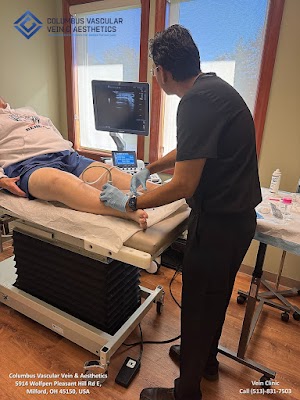
Patients curious about what is spider vein treatment usually hear two main options. Sclerotherapy uses a tiny needle to inject a solution that irritates the vein lining, causing it to collapse. Surface laser aims energy at the pigment in the vessel to heat and seal it. How does spider vein treatment work in practice? For sclerotherapy, the step by step spider vein treatment process usually takes 15 to 45 minutes depending on the number of veins. You may need multiple vein treatment sessions spaced a few weeks apart. Pain is modest - a brief sting, sometimes a crampy sensation. Laser sessions are similar in length with a snap-like feel on the skin. Hydration and a low-sodium diet leading up to a session can reduce post treatment swelling and bruising. Avoid new self-tanners, and protect treated areas from sun to prevent discoloration.
Who is a candidate for spider vein treatment? Most healthy adults with visible superficial veins. When should you treat spider veins? If they ache, itch, bleed, or make you self-conscious enough to limit activities, that is a good sign to book a consult. Are spider veins linked to serious health issues? Usually they are cosmetic, but they can hint at deeper vein problems if you also have leg swelling, skin changes around the ankles, or night cramps. Screening for underlying vein disease with an ultrasound rules that out.
Can spider veins be prevented naturally? You can lower the odds and slow progression. Diet quality, daily walking, strength work for calves and hips, a healthy weight, and smart hydration all help. Genetics matter, as do hormones, but lifestyle bends the curve.
Skin and face specifics
Spider veins on the face behave differently than those on the legs. Sun exposure amplifies them. Alcohol and spicy foods can also trigger flushing that makes them look worse. A diet high in polyphenols and omega-3 fats can calm the baseline inflammation that primes the skin to flush. If you treat facial veins with laser, protect the area from sun for several weeks, avoid retinoids temporarily, and skip hot yoga or saunas during the early healing window. From a food perspective, keep sodium modest and water steady the week after to minimize swelling. Dark leafy greens, berries, and green tea are friendly choices here.
A note on standing jobs and long commutes
People who stand for hours ask for a quick fix. The fix is cumulative. Pack a lunch low in sodium with high potassium foods and fiber, drink water at a steady pace, and schedule small movement breaks. If you have a long commute, do not skip dinner, then overeat salty takeout late. Keep a reliable dinner at home - beans and greens on toast with olive oil, or an egg and vegetable scramble - so your day does not end in a sodium bomb.
Common myths and hard truths
I often hear that massage can erase spider veins. Massage is excellent for muscle tension and can help lymph flow, but it will not close a dilated vessel. Ice or heat may change comfort for a few hours but do not restructure veins. Cheap vein treatments fail when they skip a proper exam, use old solutions, or rush sessions. The same logic applies to diet shortcuts. There is no miracle berry. The pattern of your meals, day after day, is what moves the needle.
Putting it together without turning your life upside down
In practice, I ask patients to change only a few anchors at first. Hydrate on a schedule. Hit two servings of vitamin C rich produce daily. Eat legumes at least five days a week. Swap a refined-grain lunch for a bowl built from whole grains, beans, leafy greens, and a protein. Bring sodium down by moving away from packaged meals. After two to three weeks, heaviness and swelling often ease, energy stabilizes, and sleep improves. That is when we discuss next steps: strength training, compression for travel, or if needed, a visit with a vein specialist.
If you decide on sclerotherapy or laser, come to the first vein consultation with a record of your symptoms and routines. Ask how doctors map veins before treatment, what to avoid before sclerotherapy, and how long to wear compression stockings after treatment. Plan meals and hydration for the week after to limit bruising and swelling. Walk daily, keep showers warm not hot, and avoid high-intensity leg work for a few days if instructed. Most return to work within 24 to 48 hours depending on the extent of treatment.
The long view
Spider veins can come back because life continues. New veins can form after removal if the underlying pressures have not changed. That is why a maintenance plan after spider vein treatment includes the simple habits you control: diet quality, movement, body weight, hydration, and stress management. Stress affects circulation through hormonal shifts that tighten vessels and raise blood pressure. A nightly walk after dinner settles the day, improves digestion, and keeps blood moving.
If you need a single sentence to guide your grocery cart, use this: buy foods your great-grandparents would recognize, then add citrus, berries, leafy greens, legumes, and olive oil in generous amounts. Build meals with protein and fiber, keep sugar and sodium in check, and drink water before you are thirsty. That set of choices strengthens what your veins are made of, steadies how your blood flows, and lowers the daily stress your valves endure. Over time, your legs feel different, and the mirror tells a calmer story.